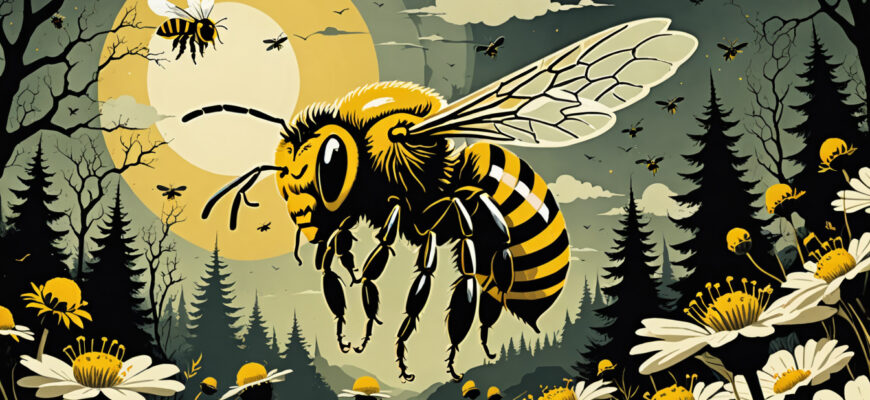
Have you ever woken up from a dream buzzing with unease, imagining angry bees swarming around you? These unsettling images tap into layers of your emotional and psychological life, often stirring feelings beyond the obvious fear or irritation. Angry bees in dreams don’t just represent random discomfort—they carry symbolic weight that touches on how you feel about your world, your relationships, and the pressures sitting just beneath the surface.
- Exploring Dreams About Angry Bees
- Emotional and Psychological Layers Behind Angry Bee Dreams
- Key Questions to Reflect on When Dreaming of Angry Bees
- Symbolism of Bees: More Than Just Insects
- Interpreting Angry Bee Dreams Through a Queer and Feminist Lens
- Emotional Healing and Growth Through Dream Reflection
Exploring Dreams About Angry Bees
Bees are typically symbols of hard work, cooperation, and community. But when they appear angry in a dream, it can shift the meaning to something more complicated—like feeling threatened or overwhelmed by demands around you. The angry buzzing might echo the tension you’re experiencing in your waking hours, whether it’s a sense of frustration, fear, or simply being fed up.
Common emotional reactions during these dreams include:
- Fear: The threat of being stung naturally triggers a fight-or-flight response, making these dreams intense.
- Annoyance: Like persistent nagging, angry bees can represent recurring irritations in your life.
- Overwhelm: Facing a swarm can feel like too many pressures at once, symbolizing moments when you’re stretched too thin.
These surface feelings are only the beginning. The buzzing messiness demands a closer look, inviting reflection on parts of your emotional world that may need attention or healing.
Emotional and Psychological Layers Behind Angry Bee Dreams
There’s often more tangled inside an angry bee dream than just a simple fright. Many people experience these dreams when feeling overwhelmed by life’s demands—whether it’s juggling work deadlines, social pressures, or inner turmoil that refuses to quiet down. The swarm acts as a metaphor for that flood of external and internal noise.
Criticism—both from outside voices and your inner judge—can also buzz loudly. Dreams of angry bees sometimes mimic the sting of judgment, where you might feel attacked or unfairly evaluated. These dreams say something about your sensitivity to how others perceive you and the harsh dialogue occurring within.
Then there’s resistance to change, a kind of tension often hidden under the surface. Bees naturally symbolize growth and transformation through their roles in community and productivity. When they appear angry, it could be highlighting discomfort with stepping out of comfort zones or allowing necessary shifts in your life to happen.
Thinking about angry bees as representatives of hard work and collective effort helps reveal what’s out of sync. The anger signals frustration in your collaborations, relationships, or personal commitments—places where harmony is disrupted and important needs aren’t being met.
Key Questions to Reflect on When Dreaming of Angry Bees
These dreams offer a chance to pause and ask meaningful questions that connect back to your waking reality. Consider:
- Are there areas in your life where you feel surrounded or besieged, like the angry swarm closing in?
- Is there a part of you desperately clutching to control things that might actually require release?
- Which aspects of your emotional landscape feel off balance or disconnected from your true self?
| Question | Purpose for Reflection |
|---|---|
| Where in your life do you feel surrounded or besieged? | Helps identify stress points or external pressures that mirror the bees’ aggression |
| Are you trying to control situations that need release? | Encourages exploring flexibility and what might shift with surrender |
| What parts of your emotional world feel out of balance or disconnected? | Focuses on emotional areas that crave healing or realignment |
By wrestling with these questions, the chaotic energy of angry bees can transform into a meaningful signal. Rather than just chaos or threat, these dreams become an invitation to name what’s stirring beneath—and step into a more grounded way of relating to yourself and those around you.
Symbolism of Bees: More Than Just Insects
Ever wonder why bees show up in your dreams, especially when they’re angry and buzzing loud? Bees have carried rich meanings across cultures—not just as insects, but as emblematic figures of industry, teamwork, and interdependence. Think about a beehive: every bee has a role, and without cooperation, the entire colony can fall apart. In dreams, bees reflect this social harmony, mirroring how individuals balance their place within a community.
The collective energy of bees also captures emotional dynamics between people. When bees work together, they showcase unity and shared purpose. But when they turn aggressive or angry in dreams, it points to a breakdown in that delicate balance. It’s like an internal alarm signaling that something in our social or emotional world feels off—maybe a conflict with coworkers, tension in friendships, or even inner frustration bubbling beneath the surface.
Dreaming of angry bees doesn’t just mean “watch out for danger.” Instead, it’s often an invitation to notice where harmony has been disrupted—where cooperation feels strained or where you might be carrying too much weight alone. These buzzing warnings tap into feelings of overwhelm, anxiety, or even fear of criticism that ripple through your life. The hive demands order and flow; angry bees in your dreams can be the psyche’s way of asking: Where is your energy getting stuck? What parts of your community or self need healing before conflict spills over?
Interpreting Angry Bee Dreams Through a Queer and Feminist Lens
What happens when those angry bees in dreams buzz with a queer or feminist flavor? Marginalized voices often wrestle with feelings of exclusion, tension, or fractured belonging. These dreams can reveal how it feels to navigate communities that don’t fully hold space, especially when self-expression and identity are challenged.
From an intersectional perspective, angry bees might symbolize internalized critiques or societal pressures that queer and feminist folks encounter regularly. The swarm’s aggression could mirror how systems of oppression impact emotional safety—creating resistance, self-doubt, or a longing to break free from roles imposed by culture and family.
But there’s something transformative here. These unsettled dreamscapes invite honoring vulnerability rather than pushing it away. They challenge the impulse to hide authentic parts of oneself to maintain peace. Instead, angry bee dreams act as a cosmic nod toward embracing the discomfort that comes with claiming identity, voice, and space. Through this lens, those angry bees buzz not just as threats but as calls to radical self-acceptance and community healing.
Emotional Healing and Growth Through Dream Reflection
What feels like buzzing chaos in angry bee dreams is actually restless energy begging to be named. Recognizing this agitation as a form of self-knowledge opens doorways to healing and freedom. Discomfort isn’t just noise—it’s the messy friction that growth almost always requires.
Rather than shying away from these dreams, there are ways to work with them that bring clarity and calm:
- Journaling prompts: Write about the last time you felt overwhelmed or off-balance within your community or work. Which emotions bubble up when you picture those bees? What needs your attention?
- Meditation approach: Settle into your breath while focusing on feelings of overwhelm or losing control. Picture the bees not as enemies, but as messengers teaching you about boundaries and resilience.
- Reframe anger: Instead of fearing anger as purely destructive, meet it as a teacher. What can this restless buzz reveal about your hidden power or unmet needs?
With gentle curiosity, these dreams can become allies—helping locate where vulnerability waiting to be honored lies, and offering a roadmap to rebalance. This process might feel untidy, even uncomfortable, but it’s a powerful step toward deeper emotional freedom.