Dreams featuring an angry deer can stop you cold. Usually, deer conjure a sense of peace and delicate beauty—images of quiet woods and soft footsteps. So when a deer shows up snarling or aggressive, it’s a real shake-up. This unexpected presence scratches beneath the surface of gentleness to something way rawer. It’s like seeing a familiar friend suddenly wearing armor and roaring instead of retreating. That shift throws your emotional compass off and wakes up a flood of feelings—urgency, discomfort, maybe even alarm.
- The Unexpected Nature Of An Angry Deer In Dreams
- Common Emotional Responses To These Dreams
- Why These Dreams Matter: What They’re Trying To Tell You
- Trauma’s Shadow in Dream Imagery
- Silencing Rage within Patriarchal and Queer Contexts
- Boundaries, Consent, and Emotional Safety Reflected in Dreams
- Deer in Spiritual and Mythological Traditions
- Using Shadow Work to Integrate Wild Emotions
- Honoring the Full Spectrum of Emotions
The Unexpected Nature Of An Angry Deer In Dreams
In most stories and symbols, deer represent softness, intuition, and grace. Their traditional role in dreams usually isn’t about confrontation but rather about vulnerability, kindness, or spiritual guidance. So when anger flickers in this gentle figure, it flips the script. Suddenly, the dream feels charged with tension that demands attention rather than soothing calm.
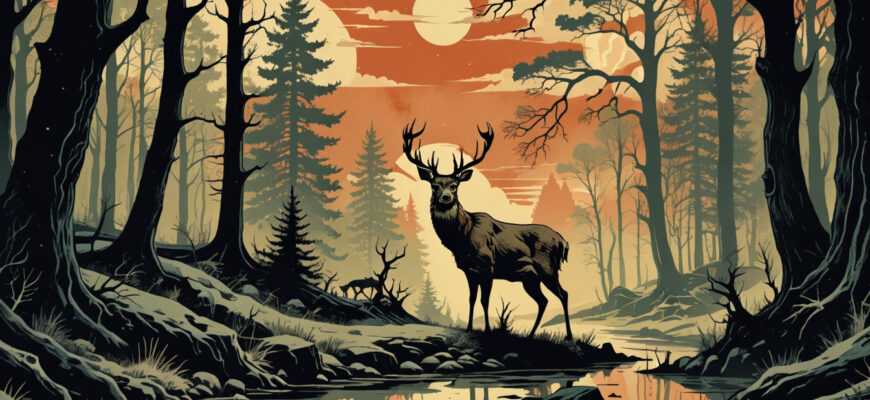
Picture this: a creature long associated with peace and innocence stands tall, nostrils flaring, antlers ready, eyes sharp with warning. That immediate contrast feeds a stark emotional punch. The urgency in these dreams often feels not just startling but also intimate—like a call from deep inside, breaking through the usual urges to keep things smooth or polite. The deer’s anger pulls you into a space where softness meets survival, addressing parts of the self often left in shadow.
Common Emotional Responses To These Dreams
Waking from a dream where an angry deer has stormed through your mind, many feel unsettled or confused. It’s normal to carry a residual sense of discomfort, or suddenly find yourself more alert than usual, as if something unresolved is still simmering beneath the surface.
- Confusion about what triggered the anger—why this symbol, this species?
- Discomfort that might linger in the gut, calling attention to feelings not fully faced.
- An alertness or a subtle sense of being watched or challenged, even hours after waking.
These emotional reactions aren’t random. They’re your subconscious speaking in symbols. The angry deer disrupts your usual dream narratives to crack open a space for examining hidden conflicts, boundaries being tested, or important emotions waiting for acknowledgment.
Why These Dreams Matter: What They’re Trying To Tell You
Often, an angry deer dream isn’t about the deer at all. It’s about the tension that lives in the borders of your emotional world—those hidden struggles and quiet storms you might be brushing off during waking hours. The peaceful surface might look intact, but underneath, pressure builds and suppressed emotions press for release.
This dream invites you to lean into that discomfort, not run from it. It signals that suppressed feelings—especially anger—are searching for clear expression, not chaos or destruction. The message might nudge you to notice where you hold back self-protection in favor of seeming “nice” or “easy,” even when that softness compromises your safety or truth.
| Dream Element | Hidden Message | Emotional Impact |
|---|---|---|
| Gentle Deer | Vulnerability, spiritual openness | Calm, tenderness, trust |
| Angry Deer | Boundary challenges, suppressed rage | Urgency, tension, alertness |
| Deer with Antlers Raised | Self-defense, reclaiming power | Strength mixed with anxiety |
When your dream uses a symbol known for gentleness to show anger instead, it’s a cosmic nudge to pay attention to parts of you that might feel forced to hide. It’s a reminder that all emotions have space to breathe—you were born for this complexity. This dream doesn’t just stop at discomfort; it invites deeper reflection on where inner conflicts lie beneath surface calm.
Trauma’s Shadow in Dream Imagery
Trauma often rewrites the emotional maps of our minds, leaving traces in places we least expect—like our dreams. When an angry deer bursts onto the scene, it’s not just about wildlife aggression. It’s an echo of deep, unresolved pain and survival instincts that refuse to be quiet.
This symbol challenges the typical vision of deer as gentle and peaceful, turning that vulnerability into a fierce readiness to protect oneself. The anger in the dreamscape might emerge from experiences where safety was compromised or boundaries were crossed in waking life. It’s like the body’s way of reliving moments when fight-or-flight responses kicked in but were pushed down.
Picture someone navigating years of emotional neglect or abuse, where anger was unsafe to express. That wounded part might appear as an angry deer—at once defensive and raw, ready to act but also signaling a deeper cry for healing.
Far from random, these dreams are emotional flashpoints where past trauma surfaces, reminding the dreamer that survival is layered with both vulnerability and fierce protection. The deer’s anger becomes a messenger—urging recognition of those unresolved feelings carrying forward under the surface.
Silencing Rage within Patriarchal and Queer Contexts
There’s a cultural script that insists women and LGBTQ+ folks must keep anger under wraps. This isn’t just about manners—it’s a form of control, conditioning queerness and femininity to prioritize harmony even at personal cost.
Suppressing rage can chip away at mental and spiritual health, creating a landscape where the anger festers underground like a shadow no one’s allowed to acknowledge. When anger’s silenced, it doesn’t disappear—it often turns inward, fueling anxiety, dissociation, or self-doubt.
Imagine a queer person balancing the desire to be seen and safe, yet sensing that any loud expression of anger risks rejection or erasure. The angry deer dream reflects this tension: the survival instinct to protect oneself in a world structured to deny space for anger, especially one that arises from marginalization or injustice.
Holding rage inside damages authenticity and spiritual wellbeing, but dreams of angry deer can signal that these feelings want to be heard. It’s a call to reclaim anger as a rightful, powerful force rather than a taboo or threat. That reappropriation can be a radical act of self-care and liberation.
Boundaries, Consent, and Emotional Safety Reflected in Dreams
Angry deer might be trying to grab attention about boundaries that have been violated or blurred. These dreams can spring from moments when personal limits weren’t clear, respected, or even recognized, leaving a psychic sting that calls out for self-protection.
They ask questions sometimes hard to face: “Where does my consent end? Am I defending my emotional space enough? When do I let softness slip into vulnerability, and when do I need to stand firm?”
This imagery insists that setting boundaries isn’t just about saying no—it’s a nuanced dance involving trust, safety, and honoring complexity within oneself. Anger here isn’t the enemy but a signal that something important happened, urging awareness and action.
Learning to embrace this anger can help build emotional armor without hardening the heart. It’s about balancing self-protection with gentleness—because emotional safety is a revolutionary act, especially for those whose voices have long been muted.
Deer in Spiritual and Mythological Traditions
Across many cultures, the deer paints a picture of grace, gentleness, and spiritual guidance. In Celtic myths, the deer is a messenger from the Otherworld, leading souls through transitions with quiet elegance. In Indigenous traditions, the deer often symbolizes intuition and openness to nature’s wisdom.
When that softness flips into fierceness in a dream, it disrupts the usual story. Instead of a gentle guide, the angry deer shows up as a guardian on high alert. This shift invites reflection on what must be protected—sometimes it’s the self, sometimes the sacred boundaries of the soul.
The turn from gentleness to fury signals a spiritual awakening that refuses to sugarcoat the struggle. It’s a fierce tenderness, a wild grace that knows vulnerability doesn’t mean weakness but is entwined with the power to defend and endure.
Using Shadow Work to Integrate Wild Emotions
Dreaming of an angry deer hands a powerful invitation: meet the shadow parts of yourself many might prefer to hide. That anger—sometimes scariest of all emotions—is energy begging for acceptance instead of rejection.
Here’s how this invitation might look in practice:
- Journaling about what the angry deer stirs up—replaying moments when anger was dismissed or punished.
- Meditation that focuses on breathing into the body’s tension, allowing anger to move through instead of tightening or shutting down.
- Creative expression—drawing, movement, or voice—to give shape to feelings too complex for words alone.
By leaning into these wild parts through shadow work, dreamers create space for healing. This work acknowledges that anger is part of the whole self, not the enemy. Through integration, what once felt unsettling becomes a source of strength and groundedness.
Honoring the Full Spectrum of Emotions
Every feeling in the emotional spectrum carries meaning and power—even the anger that society wants tucked away. You were born for this messiness and depth.
Honoring anger as a natural, important force brings liberation and healing. Rage, when held and witnessed, transforms from a burden into a kind of medicine—a fuel for setting boundaries, reclaiming voice, and standing unapologetically in your truth.
It’s an act of courage to embrace these emotions fully. The angry deer isn’t a threat—it’s a companion guiding you through the wild edges of your soul, reminding you that complexity doesn’t fracture but completes.