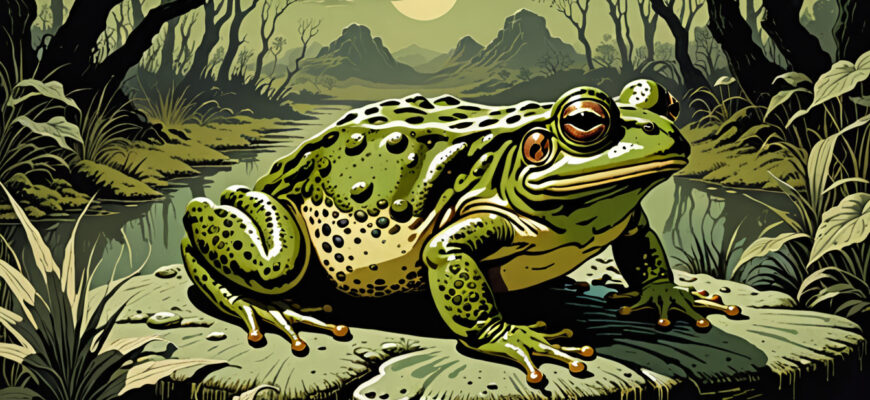
Dreaming of an angry frog can stir up a knot of feelings that linger long after waking. That sudden surge of frustration, the prickling resistance, the undeniable discomfort—these emotions swipe through the night’s quiet, making it impossible to ignore what’s brewing below the surface. Anger in dreams isn’t just a disruption to be feared or dismissed; it’s a raw, vital energy calling for attention. It might not feel pleasant, but it’s alive with potential, an invitation to recognize emotions that often get pushed aside or hidden away. What does it mean when this small but fierce creature storms through your subconscious? The angry frog is more than a bizarre nighttime visitor—it’s a signal, a wake-up call, and maybe even a guide.
What It Feels Like To Dream Of An Angry Frog
Imagine the scene—the once quietly croaking frog now glaring back with sharp, charged eyes. It’s not just annoyance; it’s the kind of anger that feels tangled with frustration and resistance. You might wake up carrying a heaviness that’s hard to shake off, like you’re holding tension that’s both familiar and uncomfortable. This isn’t anger as a negative force to be suppressed but something alive and essential. It’s energy that, if acknowledged, can fuel necessary changes or breakthroughs. Emotions like frustration and resistance aren’t just barriers; they’re signals that something inside is struggling for expression or transformation. The angry frog’s presence in your dream can serve as a reminder that anger holds the power to energize—not just to obstruct.
Emotional Truths Reflected By The Angry Frog
The angry frog acts like a mirror, reflecting inner conflicts and shadow parts of the self—the feelings we often shove quiet, fearing what might happen if they were fully faced. Behind the croak of anger lies a current of unresolved feelings—discomfort, resistance, or even grief—that hasn’t found release. These dreams nudge the dreamer to pay attention to these silenced corners within. When emotions are bottled up, they often show themselves in subtle or outright ways, and the angry frog pushes those quiet tensions to the front of the mind. It’s asking: What are you holding back? What do you deny? This dream isn’t just about rage; it’s about recognizing the discomfort of being stuck in parts of your emotional landscape that need tending.
The Queer And Feminist Lens On Angry Frog Dreams
Seen through a queer and feminist perspective, anger in dreams, especially when voiced by an angry frog, becomes a fierce tool of empowerment rather than something to be silenced. This approach challenges the expectation that anger should be muted, especially in bodies and identities that have historically been policed and marginalized. Instead, anger is embraced as a manifestation of resilience and a doorway to transformation. The emotional upheaval represented by the angry frog—its liminal and boundary-breaking energy—invites a radical form of healing. In these spaces, discomfort doesn’t just shatter old patterns; it carves out room for new ways of being, speaking true to the power inherent in emotional honesty. This dream whispers to you: you were born for this reckoning and growth, carrying with it the promise of healing on the other side.
| Emotional Experience | Dream Insight | Action Step |
|---|---|---|
| Frustration and Resistance | Signals blocks to change or growth | Reflect on what needs release or expression |
| Discomfort and Unease | Highlights shadow feelings and unacknowledged anger | Explore silenced emotions gently |
| Empowered Anger | Transforms into resilience and personal power | Lean into emotional strength and advocate for yourself |
- Recognize anger as a vital force, not just negativity.
- Use the dream as an invitation to tend to shadow and resistance.
- Embrace emotional discomfort as a catalyst for transformation.
The Frog as a Symbol Across Cultures
Have you ever wondered why frogs show up so often in stories, dreams, and rituals across the world? Frogs live in that intriguing threshold between water and land, making them natural symbols of transformation, rebirth, and resilience. In Indigenous cultures, frogs often represent renewal and the cycles of life, signaling the rainfall that brings fertility and growth to the land. This connection grounds the frog as a creature that bridges worlds and invites new beginnings.
Feminist and queer mythologies have also embraced the frog’s shape-shifting essence. The frog’s metamorphosis—from tadpole to land walker—mirrors personal journeys of becoming, especially when it comes to reclaiming identity or undergoing profound internal shifts. The frog becomes a powerful emblem of persistence through change, reminding us that beneath surface appearances, deep transformations are always underway.
Now, when anger colors the frog’s presence—imagine a frog with furrowed brows or a fierce gaze—it takes on an even more charged energy. In many spiritual traditions, an angry frog is a guardian standing at emotional thresholds. This is the sentinel that warns when old wounds or unresolved feelings are ready to surface. It acts as a gatekeeper or a disruptor, poking at comfort zones to shake loose the stuck parts of ourselves. The angry frog doesn’t ask for permission—it demands attention. It says, “Here is where your emotional boundaries are being tested. Are you ready to face what’s coming up?”
Emotional Blockages and Shadow Work Through the Angry Frog
Anger in dreams can feel like a sudden sting—especially when it’s coming from a figure as unexpected as a frog. What’s really going on here? Often, anger is a signal from the subconscious that some feelings have been bottled up or pushed out of sight. The angry frog might be tapping you on the shoulder, urging you to lean into discomfort rather than shove it away.
Think of the frog’s angry croak as a kind of wake-up call from deeper parts of you. What feelings have been simmering below the surface, waiting for release? Sometimes it’s fear masked as frustration; other times, it’s grief, shame, or unmet needs crusted over by habit or denial.
This is where shadow work enters the conversation—the process of bringing those hidden, shadowy bits of self into conscious light. The angry frog challenges resistance. Instead of running or shutting down, it invites a curious and gentle approach to exploring: what lies beneath that anger? What parts of yourself have you been avoiding because they feel too vulnerable or too hard to face?
- Which emotions have you locked away in the name of “staying calm” or “keeping it together”?
- Are there recurring moments when frustration bubbles up but quickly gets repressed?
- What would happen if you let yourself feel those feelings fully, without judgment?
When anger is met with kindness and curiosity, it stops being a wild, scary force and becomes a guide shining light on what wants to be healed.
Anger as an Invitation to Growth and Healing
Anger often gets a bad rap as something to fear or suppress. Yet, the energy behind anger, especially when summoned by an angry frog, can actually be a doorway. This energy carries momentum and a push toward change rather than destruction. What if anger is not the enemy but the urgent messenger that says, “Something needs to shift here”? From a queer and feminist perspective, anger is an act of resistance and self-preservation—a radical refusal to stay small or silent.
That fierce, angry frog is offering permission to step into discomfort. Instead of running away from feelings that pinch or roar, it encourages leaning in to release what no longer serves your emotional world. This might mean setting clearer boundaries, confronting patterns that keep you stuck, or expressing truths that have been muffled for too long.
Balancing this fiery impulse requires holding space for tenderness too. Healing isn’t only about tearing down old walls; it’s about nurturing what grows in the ruins. Honoring anger as an ally means respecting its wisdom without letting it turn into self-criticism or overwhelm.
Here are some ways to honor anger as part of inner transformation:
- Practice giving your anger voice through journaling, movement, or creative expression.
- Allow yourself to feel the intensity without acting on impulse—validation before reaction.
- Combine the fierceness of your anger with moments of self-compassion and rest.
- Recognize the power in your anger as a signal pushing you toward wholeness and freedom.
Engaging with the angry frog in dreams or waking life is an invitation. It asks: What stories are you telling about your anger? Can you make peace with it as a teacher on your journey rather than a threat? This shift reclaims anger’s energy as a powerful force in healing, reclaiming voice, and activating transformation. It reminds us gently, yet firmly, that you were born for this emotional reckoning—exactly as you are, with all the fire and softness that makes you whole.