Dreams about rabbits often bring a sense of calm and simplicity—symbols of softness, fertility, and an almost fragile vulnerability. So if a rabbit in your dream turns angry, it can feel like a puzzle: why would such a gentle creature express fierce emotions? These dreams invite you to explore unexpected emotional territories, revealing tensions that might fly under the radar during your waking hours. What unsettled feelings are asking for attention? Where might your creative flows or emotional wells feel blocked or strained?
- The Symbolism Of Rabbits: Softness, Fertility, And Vulnerability
- When Rabbits Turn Angry: Shifting The Narrative
- What Your Dream Is Trying To Tell You: Emotional Blocks And Creative Stagnation
- Reclaiming Complexity Through a Queer and Feminist Lens
- Myth, Lunar Cycles, and the Angry Rabbit’s Spiritual Context
- Trauma-Informed Dreaming: Listening to Emotional Tension with Compassion
The Symbolism Of Rabbits: Softness, Fertility, And Vulnerability
Rabbits carry a wealth of symbolism that stretches across cultures and mythologies around the world. Historically, they’ve often been seen as gentle symbols, embodying innocence and fertility. Their reputation for prolific reproduction ties them to themes of abundance, growth, and new beginnings. In many Native American stories and Asian folklore, rabbits represent kindness, cautiousness, and the nurturing aspects of nature.
Emotionally, rabbits conjure feelings of sensitivity and vulnerability. They’re prey animals, which means they live with constant awareness of threats, making them natural emblems of timidity and the need for protection. This vulnerability also makes them a tender reflection of the softer sides of human nature—those parts that crave safety and care.
On a creative level, rabbits can hint at new ideas blossoming or the rapid expansion of projects and passions. They invite us to stay open to cycles of birth and regeneration, encouraging a tender curiosity toward life’s gentle rhythms.
When Rabbits Turn Angry: Shifting The Narrative
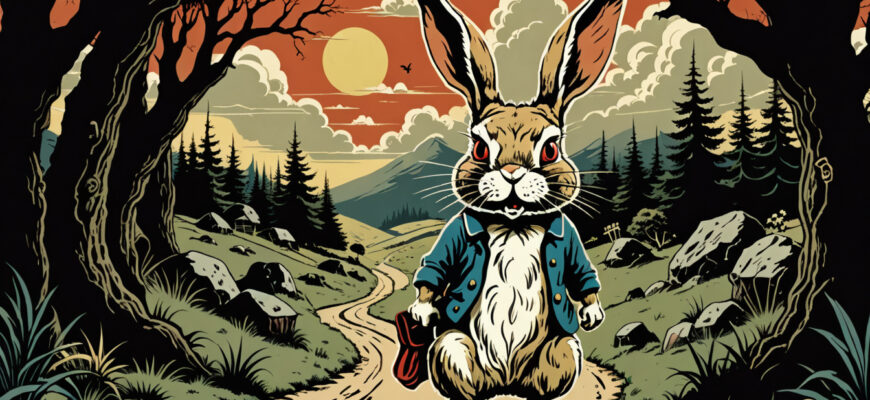
Imagining a rabbit as angry shakes up the usual story. Anger is rarely associated with softness or innocence, which makes the angry rabbit a striking messenger in dreams. This contrast highlights complexity beneath what appears peaceful or gentle. The rabbit’s anger may suggest a crack in the surface, uncovering frustration or wounds that have been held down or ignored.
What might this angry rabbit reveal? Possibly, it’s a symbol of inner conflict—when the desire to be gentle clashes with feelings of irritation, fear, or powerlessness. This image invites attention to the contradictions within, drawing out emotions that don’t fit neatly into one category.
The presence of anger in such a traditionally vulnerable figure points to how frustration and sensitivity intertwine. It’s a reminder that vulnerability doesn’t mean passivity; even gentle beings have fierce boundaries and a need to defend themselves. The angry rabbit can bring to light the layers of tension between wanting protection and needing to assert strength.
What Your Dream Is Trying To Tell You: Emotional Blocks And Creative Stagnation
When a dream features an angry rabbit, it can be signaling emotional blocks or feelings of being stuck. The anger might not just be random; it often points to places where the dreamer feels threatened—whether by internal doubts or external pressures. This small yet fiery creature could be nudging you to notice where your growth or creativity feels halted.
Creative energy and emotional health often walk hand in hand. So, an angry rabbit dream may suggest that when emotions like frustration, fear, or vulnerability aren’t properly addressed, they can clog the flow of ideas, inspiration, and personal progress. The dream is asking: what’s holding you back from moving forward? What parts of your authentic self feel unheard or squeezed?
- Where in your life do you feel pressured or overwhelmed?
- What emotions have been bubbling under the surface, waiting for release?
- Are there creative projects or passions that feel stuck or blocked?
- How might your fear or sensitivity be standing in the way of expressing your full self?
Taking time to reflect on these questions can help turn the dream’s message into a meaningful step toward healing and opening new doors of self-understanding.
| Dream Element | Emotional Message | Potential Personal Insight |
|---|---|---|
| Gentle Rabbit | Softness, vulnerability, openness | Invites self-care and nurturing |
| Angry Rabbit | Frustration, inner conflict, defense | Signals emotional blocks or unmet needs |
| Angry Rabbit in Confined Space | Feeling trapped or threatened | Calls to examine limiting situations or beliefs |
| Angry Rabbit Acting Out | Inner contradictions and tension | Highlights a need for integrating conflicting emotions |
Reclaiming Complexity Through a Queer and Feminist Lens
What if anger and softness weren’t opposites but parts of the same emotional spectrum? Society has long boxed feelings into neat categories—gentle means soft, angry means dangerous. But an angry rabbit challenges those tired binaries. Rabbits are often seen as delicate, timid creatures, symbols of vulnerability and innocence. Yet when that image comes wrapped in anger, it flips assumptions upside down.
Through a queer and feminist lens, emotional expression refuses to be so easily pigeonholed. Queer frameworks often celebrate fluidity, ambiguity, and rejecting rigid labels—emotions included. Feminist perspectives invite us to consider how gender expectations shape which feelings get validated or suppressed. Anger from those coded “soft” or “feminine” is often dismissed or feared, unlike its male-coded counterpart.
When the angry rabbit appears, it calls out the intersections between identity and emotion, reminding us that feelings don’t adhere to cultural hierarchies. Embracing emotional complexity can be a radical act, especially when so much pressure exists to present a palatable, non-threatening self. This rabbit’s rage is not disjointed from tenderness but part of a whole self, complete with contradictions.
What if honoring that inner complexity becomes a way to resist societal demands to conform? Holding onto anger without guilt or shame transforms it from a threat into liberation. The angry rabbit offers a model for how emotional nuance—especially in queer and feminist contexts—is an act of survival and genuine self-expression. So rather than pushing anger away, ask: What might it mean to hold space for your full spectrum?
Myth, Lunar Cycles, and the Angry Rabbit’s Spiritual Context
Rabbits have deep roots in mythology tied to the moon and feminine cycles. Across cultures, rabbits are seen as lunar beings, linked to transformation, fertility, and the ebb and flow of life’s rhythms. The moon’s phases mirror emotional shifts, inviting reflection on vulnerability, renewal, and yes, sometimes rage.
One well-known story comes from East Asian folklore, where the Moon Rabbit is said to pound the elixir of life—a symbol of healing and immortality. This myth layers the rabbit’s image with qualities of endurance, mystery, and cyclical rebirth. The moon itself, a powerful emblem of the feminine, governs tides, menstruation, and emotional tides alike.
The lunar connection encourages tuning into inner cycles—those moments when anger rises as part of natural emotional tides rather than a disruptive anomaly. Just as the moon waxes and wanes, so do the ways people experience and express feelings. The angry rabbit invites us to witness these rhythms without rushing to fix or quiet them.
Seeing anger as tied to lunar cycles reframes it as an essential, organic pulse within spiritual and bodily life. This anger isn’t a flaw but a signal of boundary, growth, and protection, unfolding in sync with the cosmos. Taking the moon as a teacher, the angry rabbit nudges us to honor emotional rhythms and embrace transformation as healing.
Trauma-Informed Dreaming: Listening to Emotional Tension with Compassion
Dreams can carry the weight of past wounds, bringing unresolved tension to the surface. When anger shows up—like with the angry rabbit—it’s often a message rooted in trauma’s protective signals. Trauma changes how feelings show up and how safe it feels to express them.
Cultivating a trauma-informed approach means softening judgment around anger. Instead of seeing it as “bad” or shameful, it’s helpful to recognize anger as a defense mechanism, and sometimes even a doorway to healing. This perspective shifts the impulse from suppression to compassionate witnessing.
Some ways to listen to anger in dreaming include:
- Noticing where anger arises in the dream without trying to change it.
- Asking what the anger might be protecting or signaling in your waking life.
- Allowing space to feel the emotion fully, without guilt.
- Using journaling or gentle movement to release tension afterward.
By witnessing anger without shame or pushback, its energy can transform from chaotic tension into a guide toward needed change. This practice creates room for self-compassion and honors emotional truth, helping to reclaim power where trauma has asked you to shrink.