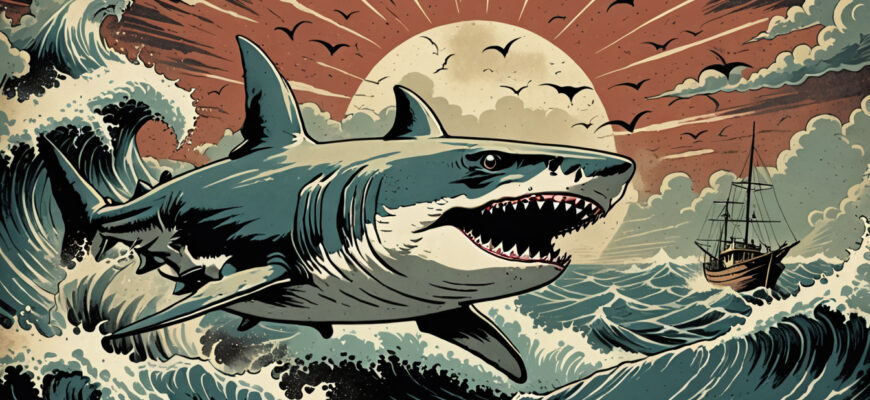
Waking from a dream where an angry shark circles beneath you can leave your chest tight and your mind racing. What’s really going on when these fierce creatures invade your subconscious? Shark dreams are more than just a scary splash; they carry messages about the currents of emotion and power running inside, often mixed with feelings you might be avoiding or struggling to name in your waking life. These dreams tap into the raw edges of anger, fear, and conflict, stirring up internal battles or external pressures you might be dealing with. Whether the shark is chasing, attacking, or simply looming, the underlying emotions are calling for attention, not judgment.
- What Angry Shark Dreams Reveal About Inner Emotional Currents
- Why a Queer and Feminist Perspective Matters in Dream Interpretation
- Trauma-Informed Approach to Fear and Aggression in Dreams
- Connecting Angry Shark Dreams to Waking Life and Relationships
- Dreams as mirrors for waking challenges and emotional landscapes
- Naming feelings and setting boundaries inspired by shark dream insights
- Power struggles within queer and feminist relational contexts
- Harnessing Astrology to Deepen Insight and Healing
- Viewing shark dream themes through astrological transits and houses
- Using lunar cycles to track emotional tides and dream patterns
- Astrology as a tool for healing, not fortune-telling
What Angry Shark Dreams Reveal About Inner Emotional Currents
Angry shark dreams often emerge as markers of intense feelings simmering below the surface. It’s not uncommon for these dreams to capture a tangled mix of fury, anxiety, and a sense of being threatened. Anger might feel overwhelming or dangerous, especially when it involves power dynamics either within your own psyche or with others. Fear also rides the waves here—fear of losing control, facing confrontation, or bearing the weight of external aggressions. Power struggles, whether internal debates about asserting boundaries or real-life conflicts, get projected as these stalking, aggressive sharks. They embody the parts of the self that are fierce and reactive but maybe also misunderstood or suppressed. When these dreams return persistently, they can be invitations to tune into what emotional storms are brewing in the background and consider how they influence your day-to-day.
Why a Queer and Feminist Perspective Matters in Dream Interpretation
Traditional interpretations often cast anger as negative or destructive, especially when it comes from marginalized bodies or identities. A queer and feminist lens flips this script. It challenges the stigma placed on anger, emphasizing it instead as a legitimate response to oppression, boundary violations, and injustice. Recognizing anger as an act of resistance and a vital signal for change opens up space to celebrate emotional authenticity rather than silence it. This perspective also situates dreams within the context of activism – emotional healing is political, particularly for those navigating the intersections of gender, sexuality, and systemic power. When angry sharks show up, they’re not just beasts to be feared but bold messengers urging a radical embrace of self and boundary work as forms of empowerment and survival.
Trauma-Informed Approach to Fear and Aggression in Dreams
Dreams featuring anger and aggression, like an angry shark, often echo wounds from the past. These images can surface memories or feelings tied to experiences of trauma where fear and survival instincts were intertwined. Approaching these dreams through a trauma-informed lens means recognizing these raw emotional signals without rushing to label them as “bad” or dangerous. Instead, it invites a compassionate curiosity: what might this shark represent in terms of old pain, unhealed boundaries, or protective responses? Practicing kindness toward these fierce dream symbols shifts the relationship away from fear and toward understanding. This allows space to explore how trauma colors emotional reactions and reenactments in both dreams and waking relationships. Rather than pushing the feelings down or away, this mindset encourages holding them gently while reclaiming agency over how they show up and evolve.
| Dream Element | Emotional Themes | Queer/Feminist & Trauma-Informed Reflection |
|---|---|---|
| Shark attacks you | Fear, vulnerability, powerlessness | What boundaries are being challenged? How can survival instincts be honored rather than shamed? |
| Shark chases you | Anxiety, avoidance, unresolved conflict | Is there space to turn toward the fear rather than run? What does self-protection look like? |
| You escape the shark | Resilience, hope, narrow avoidance | How does surviving fuel empowerment? Where might healing still be needed? |
| Multiple sharks | Overwhelm, feeling surrounded, tension | What systems or pressures feel invasive? What support networks can be engaged? |
- Name the feelings: Put words to the anger, fear, or frustration that rise with these dreams.
- Sit with the discomfort: Practice presence rather than avoidance, acknowledging complexity.
- Challenge internalized norms: Question cultural messages that say anger is “bad” or “unruly.”
- Set emotional boundaries: Reclaim the power to decide when and how to engage with difficult feelings or people.
In moments when these shark dreams show up, they ask for a different way of relating—to yourself and your emotions. Instead of running or repressing, they suggest a middle ground: open, fierce, and kind. This kind of dreaming is part of a journey toward emotional justice—a place where the wild, messy parts of the soul are met with courage and care. You were born for this.
Connecting Angry Shark Dreams to Waking Life and Relationships
Dreams as mirrors for waking challenges and emotional landscapes
Have you ever woken from a dream where an angry shark was circling or attacking? Those fierce predators in your sleep might not just be random wildlife—they often symbolize feeling hunted or threatened in your everyday world. These dreams can reflect how anxiety or pressure catches up with you, whether at work, in social circles, or within intimate relationships.
Sharks communicate primal survival instincts, tapping into a deep sense of vulnerability. If life feels turbulent or someone’s energy feels predatory, that shark may be embodying those emotions. For instance, an aggressive boss, a gaslighting partner, or an ongoing conflict can stir feelings like you’re swimming with sharks—constantly alert and ready to defend yourself. The dream alerts you to emotional currents running beneath calm surfaces.
Recognizing that an angry shark symbolizes these feelings is like holding up a mirror to your internal state. It challenges you to examine where you might feel unsafe, unseen, or overwhelmed. The predator becomes a metaphor for the pressures that chase you, demanding attention so you can address what’s been pushed under the waves.
Naming feelings and setting boundaries inspired by shark dream insights
When those angry shark dreams hit, the chaos inside can feel unbearable, but it’s also an invitation to slow down and tune in to what exactly you’re feeling. Here’s how to translate the dream’s message into practical steps you can use to set healthy boundaries:
- Identify the emotion: Pause after waking and ask yourself—is this anger, fear, or a mix of both? Give your feelings a name as specifically as possible to take away some of their wildness.
- Journal the triggers: Recall what might have sparked this emotional storm—was it a conversation, an event, or a relationship tension? Tracking these triggers over time helps decode recurring patterns.
- Practice grounding: Anchor yourself in the present by focusing on your breath, feeling your feet on the ground, or tuning into sensations around you. Grounding creates a safe space from which to respond instead of react.
- Set compassionate boundaries: Use “I” statements like “I feel overwhelmed when…” or “I need space to…” and be clear about what you can and can’t tolerate. Remember, boundaries aren’t walls—they’re self-respect in action.
- Enforce limits gently but firmly: If someone’s behavior triggers your shark dreams, practice saying no or stepping back without guilt. Your emotional well-being is non-negotiable.
These steps turn shark-fueled intensity into clarity—giving voice to feelings that often feel too big or taboo. As the dream reminds you, you hold more strength than you know, especially when you name what’s hunting you and claim your space in relationships.
Power struggles within queer and feminist relational contexts
Power dynamics often swim beneath the surface of relationships, especially within queer and feminist spaces that challenge dominant social rules. Aggressive sharks in dreams can mirror these struggles between control and resistance, whether in intimate partnerships, friend groups, or activist circles.
Systemic dynamics of oppression—like patriarchy, heteronormativity, or racism—can feel like lurking predators shaping interpersonal tensions. These forces impact how power is distributed, who gets to speak, and whose feelings are acknowledged. The shark’s menacing presence uncovers both external pressures and internal conflicts around asserting identity and agency.
By looking at the shark symbol through a queer and feminist lens, the dream becomes a tool for navigating complex emotions around domination and defiance. It invites recognizing when you’re playing the predator or the prey and encourages dreaming into new ways of balancing power with care and mutual respect. The fierce shark energy, then, can be reclaimed as a vital force of transformation within relational struggles.
Harnessing Astrology to Deepen Insight and Healing
Viewing shark dream themes through astrological transits and houses
Astrology has a way of syncing up with emotional turbulence, and those charged shark dreams often happen in tune with potent planetary shifts—especially Mars and Pluto. Mars represents raw energy, anger, and our fight-or-flight responses. When Mars sprints through a challenging transit or goes retrograde, it can stir up unresolved conflicts, making anger and aggression more visible in dreams.
Pluto, ruler of transformation and power, dives deep into the unconscious. Its transit can bring shadow material to the surface—those fierce, uncomfortable parts of self or situation that demand change. When Pluto’s influence crescendos, angry shark dreams can feel like a cosmic wake-up call to confront what’s hidden beneath the waves—whether it’s trauma, control issues, or personal empowerment.
Taking note of which astrological house Mars and Pluto touch is key. For example, if Mars is activating the 7th house of partnerships, conflicts with others might feel amplified, reflecting as shark encounters in dreams. If Pluto presses on the 4th house of home and roots, emotional invasions or power struggles inside family dynamics could be surfacing.
Look at your chart alongside the current transits to get a more detailed measure of how planetary energies echo your emotional life. When the cosmos leans into themes of anger, transformation, and power, shark dreams become not only warnings but also gateways to reclaiming your strength.
Using lunar cycles to track emotional tides and dream patterns
The moon governs the emotional landscape and unconscious receptivity, making lunar phases an essential guide for monitoring how intense shark dreams flow with your inner tides. New Moons mark times to plant new intentions around setting boundaries or releasing anger, while Full Moons often illuminate what’s ready to be faced or healed.
Tune in to whether your shark dreams spike near a waning or waxing moon. The waxing phase might bring rising tensions and emotional assertiveness, while the waning phase offers space for release and surrender.
Astrology as a tool for healing, not fortune-telling
It’s easy to think astrology predicts doom or fate, but its true gift is offering maps for self-awareness and healing. In the grip of intense dreams and feelings, astrology helps cultivate agency—and that’s a radical act.
Seeing shark dreams through planetary cycles teaches how to work with your emotional landscape rather than be overwhelmed by it. Self-knowledge becomes a form of liberation, reminding you that tough nights and fierce feelings are not the end—they’re invitations to embody your full power and resilience.