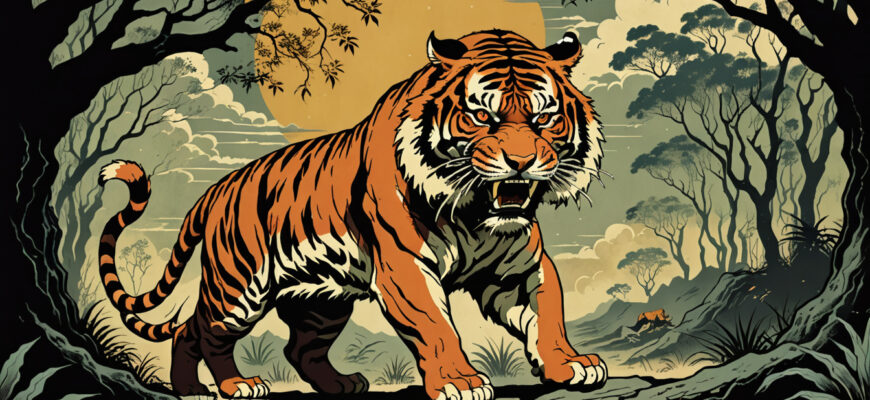
Dreams featuring an angry tiger can shake you awake with their intensity. These powerful animals rarely show up as gentle or passive figures. Instead, they stir something wild inside—a surge of raw emotion, unspoken anger, or deep, instinctual power. When you dream of an angry tiger, it often surfaces feelings you usually keep quiet because society tells you to hush those parts of yourself. This isn’t just a random image; it’s like your psyche nudging you to pay attention to what’s been buried or ignored.
Maybe you find yourself running from a tiger in your dream, or it’s attacking you, or it lingers just out of reach, watching. Each of these scenes holds different shades of meaning. When it’s chasing you, there might be some emotion or situation you’re avoiding, something urgent that demands acknowledgement. If it attacks, the dream could be reflecting a confrontation—maybe with an external threat or with a part of yourself that feels overwhelming or dangerous if ignored. Seeing the tiger from a distance might mean becoming aware of these feelings without fully engaging yet, signaling a moment of preparation or hesitation.
- Understanding Dreams Of An Angry Tiger
- The Emotional Core: Raw Anger And Instinctual Power In Dream Symbolism
- Addressing The Search Intent: Why Dreamers Look For Meaning In Angry Tiger Dreams
- A Trauma-Informed Feminist Lens on Angry Tiger Dreams
- Sitting with Shadow Emotions: The Healing Power of the Angry Tiger
- Interpreting Different Tiger Dream Scenarios and Their Messages
Understanding Dreams Of An Angry Tiger
The image of an angry tiger in dreams carries potent symbolism connected to raw emotion, instinctual drive, and buried anger. It points to feelings often stashed away because they are uncomfortable or deemed unacceptable by social norms. Imagine anger that society asks especially women and queer folks to keep under wraps—this tiger represents that fierce energy pushing to be seen and heard.
Since the tiger embodies powerful instincts, its behavior in your dreams shifts how you interpret the message. When it chases, it might mirror your attempt to escape or deny those visceral feelings. An attacking tiger may reveal an intense disruption, feelings of threat, or confrontation with something your waking life challenges you to face. Meanwhile, a tiger observing from a distance often reflects growing awareness of these emotions or situations, waiting for the right moment to act. The tiger’s presence taps into that tension between feeling cornered and reclaiming strength.
These dreams call for urgent attention because they shine a light on inner conflicts and suppressed parts of the self. It’s rarely just about external dangers; more often, they point toward unresolved feelings festering beneath the surface. The angry tiger asks for acknowledgment of your shadow emotions—those parts of yourself that have been pushed into hiding but refuse to be silent forever.
The Emotional Core: Raw Anger And Instinctual Power In Dream Symbolism
At the heart of angry tiger dreams lies a roar of buried anger—anger that’s natural, powerful, and yearning for release. When emotions get bottle-necked by repression or fear, stress builds silently until it demands expression, like the tiger’s growl breaking the quiet. This force isn’t just destructive; it signals a vital life energy that needs a safe outlet.
There’s a tension here between instinct and social conditioning. In many cultures, especially where norms pressure women and queer folks to smile through pain or silence difficult emotions, the tiger’s fury wakes something essential that’s been muted. Ignoring these instincts isn’t neutral—it can lead to emotional exhaustion, confusion, and disconnection from your truest self. The tiger’s appearance in a dream can push open the door to those instinctual truths, inviting you to honor what you feel instead of brushing it aside.
| Tiger Dream Scenario | Likely Emotional Message |
|---|---|
| Chasing tiger | Unaddressed fears or avoidance of emotional confrontation |
| Attacking tiger | Urgent feelings of threat or overwhelming conflict |
| Watching tiger from afar | Growing awareness of suppressed anger or power |
Dreams also act as mirrors to hidden parts of our emotional landscape, unearthing unresolved pain or trauma that we might not fully recognize while awake. When an angry tiger prowls through your night world, it’s a signal that something beneath the surface deserves your attention and care.
Addressing The Search Intent: Why Dreamers Look For Meaning In Angry Tiger Dreams
Dreaming of an angry tiger sends sharp questions echoing into your waking mind: What are these fierce emotions stirring inside me? Am I being warned that something in my life is about to erupt or needs protection? And perhaps the most pressing—how do I meet this fierce energy with courage instead of fear?
These dreams don’t just reflect external dangers; they highlight a common challenge—avoiding emotional truth. It’s easy to push rage and discomfort aside, to pretend those feelings don’t exist because society often tells us to suppress them, especially if you’re navigating complex identities or histories. The tiger’s anger demands you stop that denial and see what lies beneath.
- What might your anger be protecting?
- Where in your life do you feel forced to silence your voice?
- How can recognizing this fierce energy give you more agency?
Understanding the tiger’s message allows reclaiming your power over these emotions. Instead of fearing the tiger or running from it, seeing it as part of your psyche can empower you to set boundaries, release tension, and channel energy toward healing or creative action.
A Trauma-Informed Feminist Lens on Angry Tiger Dreams
What does it mean when an angry tiger stalks your dreams? Often, this symbol arrives charged with emotional history and survival instincts shaped by past wounds. Trauma awareness helps us see the tiger not just as a threat, but as a fierce protector—an emblem of boundary-setting forged in response to danger or violation. When trauma scars us, anger can emerge like a tiger ready to defend, a raw, urgent signal from a part of ourselves shaped by survival rather than choice.
From a feminist standpoint, anger has long been misunderstood, especially in women. Patriarchal culture frequently silences women’s rage, turning it into “shadow emotions” that are hidden or dismissed. These feelings don’t vanish; instead, they live underground, waiting to be acknowledged. Angry tiger dreams invite us to reclaim those feelings, to recognize that fury is a form of resistance against oppression and an assertion of self-worth that refuses to be erased or quieted.
When viewed through queer and intersectional feminist frames, these dreams gain even deeper layers. Identity and societal pressures intersect, making the fierce feelings you carry a source of unshakable power. Embracing the tiger’s anger means embracing parts of yourself that society tries to silence—bold expressions of truth, rage, and protection. Dreaming becomes a sacred space for radical self-expression, where fierce feelings aren’t just valid; they are vital. In dreams, you aren’t asked to tame the tiger but to honor its message: your anger is part of your story and your power. You were born for this.
Sitting with Shadow Emotions: The Healing Power of the Angry Tiger
Sitting with difficult feelings—whether in dreams or waking moments—is a radical act. It means resisting the urge to run, suppress, or fight the emotions that feel too heavy or too loud. The angry tiger asks: can you slow down enough to hold the space for your own rage without shame or fear? This kind of witnessing builds resilience and self-compassion, teaching how anger can be a guide, not just a warning.
The tiger’s energy is also about boundary-setting. Sometimes, you need to roar—make it clear you won’t be stepped on. Other times, protection means creating space without lashing out, holding your ground in quiet strength. Learning to recognize when to growl and when to guard is a skill that brings clarity and peace.
Rage isn’t just destructive; it can fuel creativity and healing. Channeling that fiery energy might lead to art, activism, or personal safeguarding—turning what feels like chaos into transformation. Think of leaders who have used anger not as noise but as a call to change, or artists who turn pain into beauty. The tiger’s roar echoes in these stories.
Embodying the whole self means embracing all emotions—the tender and the fierce alike. It takes courage to fully meet your shadow emotions, but doing so means stepping closer to your authentic being. In the process, anger becomes a doorway to wholeness rather than a source of fragmentation.
Interpreting Different Tiger Dream Scenarios and Their Messages
When a tiger chases you in a dream, it’s hard not to feel panic. This pursuit mirrors urgent fear—something in life demands attention, maybe a boundary ignored, or a conflict you’ve been running from. The chase pushes you to face what’s pressing, even when it’s uncomfortable.
If the tiger attacks, the dream dives into confrontation and power. You’re called to meet your own strength and perhaps the world’s challenges head-on. This scenario captures those moments where you feel overwhelmed but are also being pushed to reclaim personal power. It’s about the fire that ignites in defense of self.
When the tiger watches from a distance, it reflects a quieter but meaningful energy—either the weight of being observed or an untapped power simmering inside you. This presence invites reflection: What parts of yourself are waiting to be seen or unleashed? It can be both an invitation and a warning to not ignore these dormant forces any longer.
Emotionally and spiritually, each tiger scenario stirs different currents. The chase summons courage to face fears, the attack demands strength to confront, and the watchfulness inspires self-awareness and growth. Dreamers aren’t just observing animals; they’re entering dialogues with their own instincts, traumas, and potentials. These dreams ask how you want to engage with your inner tiger—are you ready to roar back?