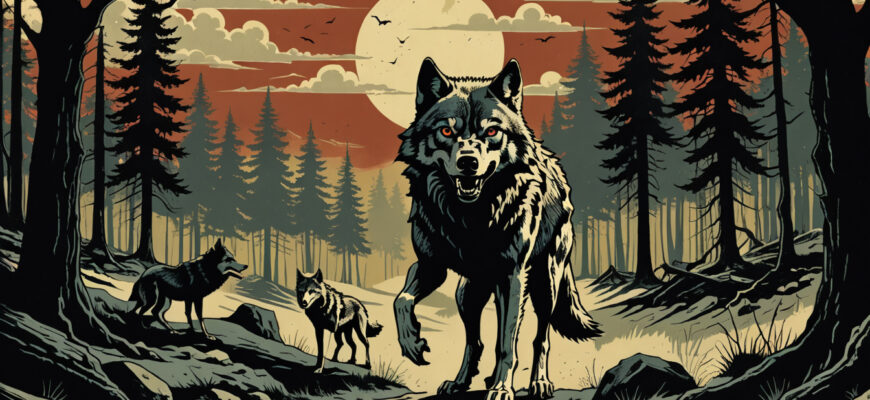
Dreams of angry wolves jolt us awake, eyes wide, heart pounding. These dreams tap into a deep, untamed part of ourselves—where raw instincts meet unspoken emotions. Wolves are powerful symbols, often rooted in ancient stories, cultural beliefs, and personal experiences. When these creatures appear in dreams snarling or chasing, they bring an intensity that can feel both unsettling and revealing. What is the angry wolf trying to tell you? Is it warning you about danger, echoing a repressed feeling, or calling you to protect your boundaries? Exploring the vivid scenes these dreams paint—and the emotional charge they carry—can offer surprising insights into how you navigate your inner life, especially if you resonate through a queer, feminist, or spiritually curious lens.
- What Does It Mean To Dream About Angry Wolves?
- Common Scenarios In Angry Wolf Dreams And Their Immediate Emotional Impact
- What Draws Queer, Feminist, And Spiritually Curious People To Wolf Imagery?
- Question To Reflect On
- Exploring Raw Instinct, Rage, And Protection Within
- Internal conflicts: what the angry wolf reveals about shadow emotions
- Trauma awareness and the wolf’s call toward emotional reclamation
- The significance of dream context:
- Are the wolves attacking you or defending you?
- Your reactions in the dream as clues to healing needs
- Embracing anger with compassion: overcoming internalized shame, especially for queer and feminist dreamers
- Spiritual, Mythological, and Cultural Dimensions
- Wolves in mythology: sacred wildness and liminal power
- Astrology and cosmic symbolism in wolf dreams
- Storytelling through a queer and feminist lens: transforming wolf anger into a tool for liberation
What Does It Mean To Dream About Angry Wolves?
Wolves are often seen as mirrors of primal parts within us—those instinctual urges and feelings that refuse to be tamed. An angry wolf is a potent symbol of rage and protection, combining fierceness with a desire to guard what matters most. These creatures embody the wild, raw edge of our humanity: sharp, immediate, and deeply instinctual. An angry wolf might represent the parts of ourselves that rise up when we feel threatened or pushed to the edge. This isn’t just ferocity for its own sake—it’s a protective fire, a visceral response to feeling unsafe or disrespected.
These dreams never feel distant or random. Instead, they hit with a kind of emotional resonance that feels as if the wolf is growling at something real inside you. The intensity is personal because it connects you to buried feelings—anger that’s often shut down or hidden. That charged energy creates a powerful connection to your own inner world, pulling at unresolved tensions, or urging you to recognize where you might be holding back your true feelings. This is why so many wake after these dreams caught between fear, curiosity, and a fierce yearning to understand.
Common Scenarios In Angry Wolf Dreams And Their Immediate Emotional Impact
- Snarling Wolves: This classic image stirs up fear and confrontation. The snarling wolf warns of tension and conflict, whether from external threats or internal turmoil. This is the voice of boundary defense, sharp and unignorable.
- Howling At The Moon: When the wolf howls, it’s a call to wildness and longing. There’s a cosmic pull here—almost as if your spirit is reaching for freedom, connection, or expression beyond social constraints.
- Being Chased Or Cornered: Few dream symbols feel as urgent as an angry wolf in pursuit. It focuses the mind on threats to personal space or psychological boundaries, highlighting places where you might feel exposed or overwhelmed.
What Draws Queer, Feminist, And Spiritually Curious People To Wolf Imagery?
The wolf’s fierce energy resonates profoundly with those who embrace complex, layered identities. For queer and feminist dreamers, wolf imagery speaks directly to a life lived outside mainstream expectations—wildness that refuses to be silenced or tamed. The angry wolf becomes a symbol not of shame but of empowerment, an invitation to reclaim anger as liberation rather than repression.
This isn’t about fitting into neat boxes. Instead, it’s about owning your right to roar, howl, and protect yourself and your community on your own terms. The intersectional nature of identity—where gender, sexuality, race, and spirituality overlap—finds a fierce ally in the wolf. Its primal force reflects a shared experience of fighting to be seen, heard, and respected.
| Attribute | Meaning For Queer & Feminist Dreamers |
|---|---|
| Raw Power | Embracing unapologetic strength and resistance |
| Anger | Releasing cultural shame and transforming rage into fuel |
| Protection | Defending personal boundaries and chosen families |
| Wildness | Honoring untamed aspects of self beyond societal norms |
Question To Reflect On
What part of your internal world might the angry wolf be asking you to listen to right now? Is there a boundary needing defense, a truth overdue for expression, or a restless energy waiting to be heard?
Exploring Raw Instinct, Rage, And Protection Within
Anger in dreams can be a natural, embodied message from the psyche—one that calls out against the cultural habit of shaming rage, especially for folks conditioned to keep it under wraps. When anger shows up in a dream, it’s often an invitation to feel it deeply, acknowledge where it’s coming from, and let it move through the body without judgment. This allows anger to serve as a guide rather than a threat.
The wolf’s dual nature—protector versus predator—adds rich layers to the dream’s meaning. Sometimes, the angry wolf stands guard, fierce and loyal, ready to defend boundaries and the people or values you hold dear. Other times, it represents a predator’s hunger or a threat that unsettles your peace. That tension between these two faces can help highlight where in your waking life you might be feeling defended or attacked, internally or externally.
Often, these dreams catch you at moments when your boundaries are under fire. Whether it’s emotional, physical, or energetic boundaries, the angry wolf brings that struggle front and center. The feeling of being chased or cornered parallels real-life situations where you might feel pressured, overwhelmed, or unsafe. Your dream is putting a spotlight on these boundary challenges, asking you to reckon with them.
Finally, there’s the delicate balance between wildness and control. Society expects many of us to tame our emotions, especially the fierce ones, to appear “reasonable” or “in control.” Yet the angry wolf reminds you that wildness is a vital part of being alive. It’s the dance between honoring that chaotic, raw energy inside yourself while navigating the social rules that ask you to turn it down or hide it. This tension might feel uncomfortable, but it’s also where deep growth and authentic self-expression begin.
Internal conflicts: what the angry wolf reveals about shadow emotions
Dreaming of an angry wolf often stirs up emotions hidden in the shadow parts of the psyche—those feelings we try to keep locked away. Wolves in dreams embody raw instincts and untamed parts of the self, so when one appears angry, it may be signaling unresolved frustration or anger that hasn’t found healthy expression. This angry wolf isn’t just a threat lurking outside; it can be a reflection of inner turbulence—the parts of oneself feeling unheard, unsafe, or suppressed.
Maybe there’s irritation built up from daily stress, or deeper wounds that haven’t been processed. The wolf’s snarl or growl may reveal repressed rage or fear disguised as aggression. Such dreams invite acknowledgment of emotions often dismissed as “too much” or “unacceptable,” urging the dreamer to hold space for those shadow feelings rather than pushing them down. The angry wolf can be a vivid messenger showing where boundaries have been ignored or where the self is caught between rage and vulnerability.
Trauma awareness and the wolf’s call toward emotional reclamation
Our past wounds shape how anger shows up in dreams, often coloring wolf images with layers of trauma and survival. When trauma remains unaddressed, it festers beneath the surface, sometimes erupting as fierce, defensive energy in the form of an angry wolf. This symbol can represent a call to reclaim emotions previously shamed or silenced—especially anger, which many cultures discourage feeling openly.
Dreams become sacred spaces to hold this unspoken rage safely. Instead of judgment or avoidance, the wolf’s growl urges conscious witnessing. This is emotional reclamation: meeting your anger not as a wild beast to be tamed or feared, but as vital information and protection.
Facing the wolf in the dream helps identify where trauma-related boundaries need reinforcement or gentle repair. It can serve as a personal ritual, reminding dreamers to nurture parts of themselves wounded by neglect or abuse. The wolf’s howl is a soulful call toward reclaiming power through emotional truth, sparking healing that begins within the dream’s safe container.
The significance of dream context:
Are the wolves attacking you or defending you?
Not every angry wolf in a dream wants to harm. Asking whether the wolf is attacking or defending is key, as this context shifts the meaning drastically. An attacking wolf may embody external threats or internalized fear that challenges your sense of safety, representing conflict that needs attention and courage.
In contrast, a defensive wolf might symbolize protection—of your values, your boundaries, or your chosen family. Sometimes the wolf is on your side, warning against betrayal or encroachment. This flips fearful energy into a fierce ally, a reminder that anger can be a protective shield rather than just a weapon.
Your reactions in the dream as clues to healing needs
How you respond to the wolf in your dream offers insight into your healing journey. Freezing in fear? That might suggest a need for support in facing difficult emotions or situations. Fighting back can indicate readiness to reclaim personal power and confront harmful patterns. Running away could mean avoidance, signaling areas requiring compassionate attention and gradual integration.
Notice if you feel guilt or shame about anger in the dream—those feelings often reveal internalized cultural or familial messages that stigmatize owning fury. Your responses become a map for emotional work, showing which parts of your inner landscape seek acknowledgment, release, or boundary-setting.
Embracing anger with compassion: overcoming internalized shame, especially for queer and feminist dreamers
Anger often arrives cloaked in shame, especially for queer folks and feminist dreamers who’ve been taught silence or politeness over raw expression. Embracing the wolf’s fierce energy becomes an act of self-compassion, a declaration that anger is legitimate, necessary, and part of survival.
Allowing the wolf to howl in your dreams is a radical step toward healing internalized shame—honoring yourself as a fierce protector of your truth and your community.
Spiritual, Mythological, and Cultural Dimensions
Wolves in mythology: sacred wildness and liminal power
Across mythologies, wolves symbolize sacred wildness and edges where worlds meet. Their presence often marks liminal spaces—thresholds of transformation, mystery, and power. In Roman tales, Mars, the god of war, is linked to wolves, inviting courage and fierce determination in the face of conflict.
Many Indigenous cultures honor wolves as teachers and ancestral guides. They’re symbols of loyalty, community, and a deep connection to nature’s cycles. For example, North American tribes see wolves as protectors of the pack, reflecting both survival instincts and relational wisdom. Siberian shamans view wolves as gatekeepers to spiritual realms, messengers bridging seen and unseen worlds.
In Norse mythology, wolves carry complex roles—as both guardians and harbingers of chaos, like Fenrir whose eventual breaking of chains signals monumental change. These stories remind us wolves embody both destruction and renewal, fierce love and uncontainable freedom.
Astrology and cosmic symbolism in wolf dreams
The moon’s phases sharpen wolf energy in dreams, acting like a cosmic amplifier of their howls and fury. The full moon, with its intense illumination, often stirs primal instincts—anger, intuition, and deep longing—heightening the wolf’s presence. New moons invite fresh starts but can also awaken shadow emotions lurking under the surface.
This lunar influence blends with other placements—Mars might spark a warrior’s fire, while Pluto digs into transformation through confronting shadow rage. In this way, wolf dreams steeped in lunar energy ask for balance between fierce protection and emotional renewal.
Storytelling through a queer and feminist lens: transforming wolf anger into a tool for liberation
Viewing the wolf through a queer and feminist lens turns its anger into a resource rather than a threat. The wolf becomes an emblem of rejecting imposed civility that demands silencing or erasure of rage. Instead, it’s reclaimed as a fierce, protective spirit—a symbol of boundaries honored, identities defended, and communities uplifted.
In a culture that often pathologizes anger in marginalized bodies, embodying your dream wolf’s power can ignite liberation. It’s about turning the growl into a roar of self-acceptance and solidarity.
How can your dream wolf transform your waking life story?