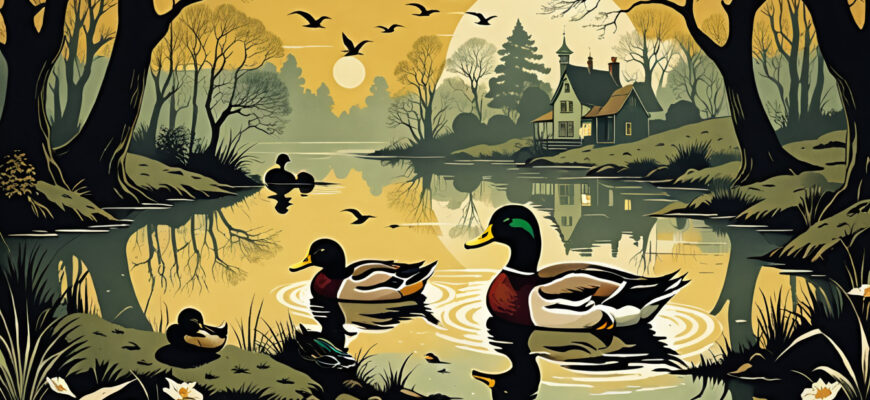
Dreams about animals often carry messages from the subconscious, reflecting feelings, conflicts, or situations we might be skimming over in waking life. The biting duck is one of those curious symbols—seemingly harmless yet delivering a sharp nudge or “nip” that demands attention. If you’ve found yourself haunted or puzzled by a dream where a duck bites you, it’s worth exploring what that moment might reveal about where your emotional boundaries are stretched or where anxiety quietly simmers beneath the surface. These dreams don’t just mirror irritation or discomfort; they often signal when something feels off balance in the subtle, tender spaces of your psyche.
- Understanding The Symbolism Of A Biting Duck Dream
- Core Meanings Beyond Conflict
- Queer, Feminist, And Trauma-Informed Perspectives On Biting Duck Dreams
- Identifying Areas Where Boundaries Feel Breached or Fragile
- Practical signs your waking boundaries are under strain
- Emotional reactions tied to biting duck imagery: irritation and anxiety in everyday life
- Examining recurring patterns or relationships activating this dream symbol
- Reflective questions to pinpoint where you feel boundary nips or bites
- The Role of Adaptability and Transition in Processing This Dream
- Embracing change as signaled by the duck’s fluid nature
- Using intuition to guide responses to emotional or relational “bites”
- When resisting change fuels biting duck dreams
- Small shifts that foster gentler adaptations rather than reactive defense
- Healing Through Self-Knowledge and Boundary Work
- Why self-awareness around your protective instincts transforms discomfort
- Tools and practices to strengthen boundaries without hardening your edges
- Honoring your limits with compassion, seen through a queer and trauma-informed lens
- When to seek support: community care for family or caretaking exhaustion reflected in dreams
Understanding The Symbolism Of A Biting Duck Dream
In the world of dream symbols, a biting duck stands out because ducks themselves are creatures of fluidity—they effortlessly navigate water, air, and land. When this usually gentle bird turns bitey in your dreams, it hints at an area in your waking life where things have become prickly or tense. Imagine your subconscious handing you a signal flag that says, “Hey, something’s pushing at your edges.”
At its core, dreaming of a biting duck represents a clash between irritation and anxiety. It’s not always about full-blown conflict but more about those small but persistent feelings of emotional pressure. Maybe there’s a recurring worry, a nagging doubt, or an overlooked boundary you’ve allowed to blur. The dream captures that prickly discomfort that creeps in before things escalate. Think of it like a gentle warning jab rather than an aggressive attack.
That emotional undertone often carries a mix of anxiety and frustration. You might notice yourself feeling cornered or stressed in a particular situation upon waking, even if you can’t put your finger on why at first. The biting duck nudges you to recognize these feelings instead of brushing them aside.
More importantly, this dream is a metaphor for boundary breaches or fragile limits in your everyday life. Perhaps someone is pushing a little too close—whether that’s in a relationship, at work, or within the family—and your dream self is responding with this sharp little bite to assert space. It’s a call from your subconscious to pay close attention where your personal boundaries might be under threat or not as solid as you’d like to believe. It can also represent moments when your own limits feel unclear or are being tested, raising the need to strengthen where you say yes and no.
One way to think about the biting duck is as a messenger of “subtle nips” before bigger conflicts flare up. Rather than waiting for a storm to break, these dream bites tell you there’s a buildup of tension or warning signs that deserve your care and awareness. It might not be about confrontation right now, but about noticing the earliest signals and responding with calm presence before things become overwhelming.
Core Meanings Beyond Conflict
Ducks aren’t just about irritation; their symbolism runs deeper into adaptability and life transitions. Since ducks move seamlessly between water, land, and air, they embody the ability to flow through different experiences and emotional states without getting stuck. This dream might gently remind you that change is part of the process—even when it feels uncomfortable or bitey.
The image of the duck biting also highlights the dance between intuition and mental processing. Ducks symbolize a balance of feeling (water) and thinking (air), encouraging you to integrate both your emotional wisdom and rational mind when facing challenges. When a duck bites, it’s almost as if your inner instinct is stepping in to caution you, asking you to pause and listen to your gut rather than pushing through with only logic.
This moment in the dream reveals the delicate balance between feeling and thinking—sometimes the bite is your protective instinct reminding you to pay attention to your emotional well-being, even if your mind tries to downplay it. The biting duck invites reflection on where you might be ignoring your own signals of discomfort or self-protection, especially in situations where you’re expected to adapt endlessly.
| Duck Symbolism | Dream Meaning |
|---|---|
| Adaptability | Need to embrace change and flow with transitions |
| Water and Air | Balance between emotion and thought |
| Protective instincts | Alert to boundaries and moments of tension |
Alongside these meanings, the biting duck acts as a prompt to notice your inner protective instincts. It might surface when your psyche feels vulnerable or when you’ve been “nice” too long and need to reclaim your space. That small bite carries a wisdom about standing firm without being fierce, about holding your emotional edges with clarity—because sometimes self-care looks like a little bite back at the things or people that drain your energy.
Queer, Feminist, And Trauma-Informed Perspectives On Biting Duck Dreams
Looking through a queer and feminist lens, a biting duck dream becomes a powerful symbol of caretaking fatigue and emotional exhaustion. It’s not just about an external irritation—it’s often about the internal pressure to be endlessly accommodating in relationships or social roles. The duck’s bite can symbolize the moment when the “caretaker” or “responsible one” starts to push back, revealing unmet needs or exhaustion beneath the surface.
This symbolism extends further into recognizing family wounds and inherited emotional patterns. Ducks fiercely protect their ducklings, and in dreams, biting may signal old family boundaries that feel both protective and limiting. Sometimes, these bites are echoes of intergenerational trauma—responses learned early on about how close one can get before feeling threatened or rejected.
Internalized criticism shows up vividly in the dream as well. When the biting duck feels like it’s your own companion or shadow, it might be your inner critic nipping at your confidence, perfectionism sneaking in as small, sharp judgments. This reflects the subtle but persistent ways self-doubt and shame can ‘bite’ in moments when you least expect it.
- Reframe these bites as invitations to hold your emotional edges gently
- Recognize that pushing too hard or being hyper-adaptable can exhaust your spirit
- See the dream as a call to clarity—knowing when to say no, even affectionately
- Honor that boundaries can be fluid but remain essential for health
Ultimately, this dream asks for tenderness and courage: can you hold your edges with care, acknowledging both the pain and your power? It encourages embracing your fullness, including those sharp moments that remind you you were born for this—to meet life’s nips and keep moving forward with grounded presence.
Identifying Areas Where Boundaries Feel Breached or Fragile
Ever wake up from a dream where a duck is biting you and wonder what that’s about? That little nip in a dream can be more than a random annoyance—it’s your subconscious trying to flag where your boundaries feel under pressure or vulnerable. When something in your waking life starts to push past limits you thought were solid, those boundary lines stretch, ripple, or even tear, and that’s where the biting comes in.
Practical signs your waking boundaries are under strain
Before the duck bites in your sleep, your daily life sends whispers that can turn into yells if left unchecked. You might notice:
- A creeping irritation with people encroaching on your time or space
- Feeling anxious when saying no, or when someone questions a decision you made
- Recurring worry about projects or conversations that feel unresolved
- Overextending yourself in relationships or at work until exhaustion peaks
These are real-world echoes of those dream nips—your psyche signaling that something’s close to breaking your personal boundaries.
Emotional reactions tied to biting duck imagery: irritation and anxiety in everyday life
The biting duck in dreams can embody emotions like frustration or social anxiety bubbling beneath calm surfaces. Maybe a colleague’s passive-aggressive comment keeps replaying, or family dynamics feel sharp like unexpected pecks at your confidence. It’s that sense of “Why do I keep feeling attacked?” even when no one seems overtly hostile. The duck, with its mix of playful flapping and sudden bites, mirrors the unpredictability of interpersonal tensions that throw you off balance.
Examining recurring patterns or relationships activating this dream symbol
Notice which relationships or situations keep stirring up the biting feeling. Is it a work partnership where credit gets stolen? A friend who pushes your limits under the guise of joking? A family member guarding sensitive territory fiercely? The biting duck often points to repeated interactions where protective instincts flare—yours or theirs—and where old wounds or unspoken resentments still lurk. These cycles can trap you in loops of irritation until the boundaries are named and reinforced.
Reflective questions to pinpoint where you feel boundary nips or bites
Ask yourself:
- Where in my life do I feel like my voice or space isn’t respected?
- Are there moments I’ve accepted too much discomfort to keep peace?
- Which people or scenarios consistently trigger stress or “nipped” feelings?
- Have I noticed times when I’ve ignored my gut instincts, and it led to regret?
Let these questions sit with you gently. They’re the kind of check-ins that start to unravel where boundaries might be soft or cracked, making room for your sovereignty to return.
The Role of Adaptability and Transition in Processing This Dream
Ducks don’t just waddle—they move effortlessly between water, land, and air. That fluidity speaks to adapting when life changes push hard on your sense of safety. A biting duck dream can surface when transitions feel rough or intimidating. The bite’s sharpness is like the universe’s poke, nudging you to move with, not against, those shifts.
Embracing change as signaled by the duck’s fluid nature
Ducks remind us that rigidity doesn’t survive the long haul. Your emotions might feel muddy or turbulent like water beneath a calm quack, but underneath lies resilience. Embracing change means leaning into uncertainty, allowing yourself to learn new ways of balancing feeling and thinking as new life chapters unfold.
Using intuition to guide responses to emotional or relational “bites”
That duck’s third eyelid—the metaphor for intuition—glows brightest when biting feels personal or confusing. Instead of brushing off discomfort, paying attention to the immediate sting lets you read signals hidden beneath the surface. It’s intuition giving you a heads-up: a conversation needs clearer boundaries, or a pattern demands shifting. That inner voice, often drowned out by noise, is your ally through emotional turbulence.
When resisting change fuels biting duck dreams
Sometimes the bite isn’t just from outside but comes from your own resistance. Holding tight to familiar ways, even when they no longer fit, can create subconscious tension. The dream bite acts as a pressure valve—demanding release from stagnation. The sharper the bite, the more urgent the cosmic weather pushing for growth and the shedding of old skins.
Small shifts that foster gentler adaptations rather than reactive defense
Rather than swinging wildly between fight and flight, small daily acts can soften the edges of change:
- Try pausing before responding to upsetting news or criticism
- Check in with your body—tight muscles or shallow breaths may signal boundary stress
- Set micro-boundaries that feel manageable, like saying no to one extra request per week
- Lean into creative outlets that help process emotional shifts
These subtle moves build resilience, making transitions feel less like assaults and more like invitations to evolve.
Healing Through Self-Knowledge and Boundary Work
The discomfort that comes from “bitten” boundaries holds healing potential when met with self-awareness and care. Knowing your own protective instincts—why you snap, withdraw, or freeze—invites transformation rather than endless reactive cycles.
Why self-awareness around your protective instincts transforms discomfort
Recognizing that a biting duck represents a boundary about to be claimed reframes irritation as a form of self-respect emerging. It stops the blame game—whether aimed inward or outward—and encourages compassion for the parts of you that just want safety, respect, and space to breathe. This awareness becomes a grounding force where discomfort no longer hijacks your well-being.
Tools and practices to strengthen boundaries without hardening your edges
Forming strong boundaries is not about building walls but about clear, kind edges that hold your truth. Consider:
- Mindful check-ins: Daily moments to feel what you really need before saying yes or no
- Assertive communication: Using “I” statements that honor your limits without attacking others
- Rituals: Creating safe physical or emotional spaces, like morning grounding or journaling to release frustrations
- Body wisdom: Noticing signals of tension or ease as guides for when boundaries need adjusting
Honoring your limits with compassion, seen through a queer and trauma-informed lens
Boundary work isn’t one-size-fits-all. For folks navigating queer identities or trauma histories, boundaries often involve negotiating layered safety concerns. Intersectional care means:
- Recognizing that saying no may feel riskier or laden with extra meaning
- Allowing grace for your limits to shift over time without guilt
- Valuing chosen family dynamics where boundaries look less like walls and more like negotiated rhythms
- Holding space for emotional fluctuations without pathologizing your needs
When to seek support: community care for family or caretaking exhaustion reflected in dreams
Dreams of biting ducks might also point to deeper exhaustion from caretaking, family demands, or emotional labor. It’s okay—and often needed—to:
- Reach out to trusted friends or chosen family for support
- Connect with trauma-informed therapists or peer groups who understand complex relational wounds
- Practice radical self-care including rest, creative expression, and joy
- Set realistic limits around responsibilities that drain your energy
Remember, no one expects you to be endlessly adaptable. Sometimes the strongest boundaries rise from the community around you helping hold space when your own edges feel brittle.