Dreams about subways usually sneak in as symbols of quiet, hidden journeys within ourselves. These underground rails carry us beneath the surface of daily life, leading through tunnels that bind collective movement and internal exploration. When these scenes pop up in dreams, they often point to emotional shifts, deep changes, or moments where the subconscious invites us to pay attention to what’s stirring below. It’s like riding an unseen path through psychological and spiritual territory—sometimes familiar, often mysterious, and always intimate.
- Understanding Subway Dreams: Pathways Beneath Consciousness
- When Your Psyche Gets Stuck Between Stations: Signs and Meanings
- Dreams as Invitations to Shadow Work and Emotional Navigation
- Subway Journeys as Metaphors for Inner Passage and Transformation
- Emotional Texture of Subway Dreams: Anxiety, Anticipation, Isolation
- Reflecting on Your Power and Reclaiming Your Map
Understanding Subway Dreams: Pathways Beneath Consciousness
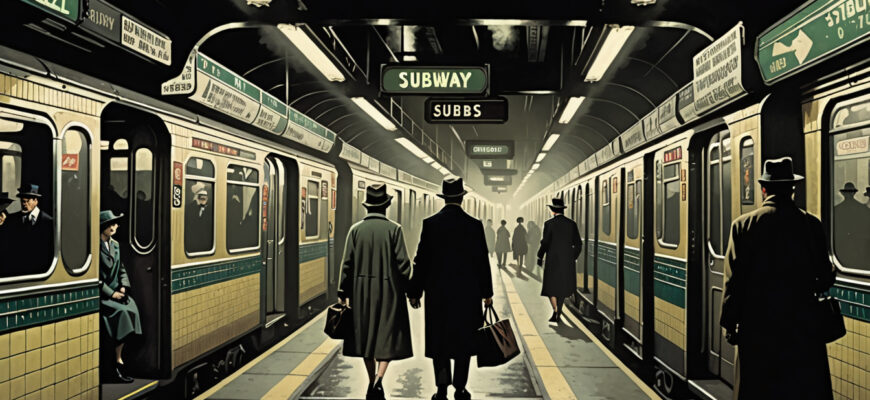
Subway dreams frequently embody the psyche’s way of revealing internal passages. Heading underground in a dream may signal a descent into parts of yourself you don’t often visit—whether hidden emotions, unresolved experiences, or aspects waiting to be understood. This setting—the literal tunnels beneath a city—mirrors inner worlds that can feel dark, confining, or mysterious. It’s a powerful metaphor: while the surface shows only familiar facades, the subway reveals what’s quietly moving beneath.
On some level, these dreams capture the flux of emotional transitions, much like a train shifting from one station to the next. You could be moving through phases of identity, stepping into new roles, or wrestling with tensions that require navigation. This journey isn’t always smooth—there may be moments of waiting, confusion, or feeling lost underground, reflecting those times when life’s transitions feel unclear or overwhelming.
What’s especially compelling is how subway dreams often highlight the push and pull between the collective and the personal. Being in a subway system means moving along predefined tracks shared with others, carrying a pressure to conform or follow social rules. But your dream might also whisper about your autonomy—whether you’re passively following or actively choosing your own path. This tension plays out in settings like crowded platforms or shutting eyes while riding, raising questions of belonging, resistance, and freedom.
At the heart, these dreams may ask:
- Are you fully present on your life’s path, or are you simply riding where others expect?
- What hidden parts of yourself are emerging in times of change?
- Where do you feel stuck, and where do you long to break free?
When Your Psyche Gets Stuck Between Stations: Signs and Meanings
Sometimes subway dreams lay bare the feeling of being stuck, whether stranded on a platform or endlessly waiting for a train that never arrives. This sense of paralysis taps into real-life blockages you might be facing—like being caught in a job that feels like a cage, a relationship that no longer nourishes, or struggles with defining who you are. When the dream’s subway becomes overwhelming or confusing, it often mirrors how these frustrations settle deep inside.
Emotions such as anxiety, anticipation, and isolation often surface with vivid intensity. A packed, claustrophobic train can evoke sensory overload and loneliness despite the crowd, while feeling stranded might touch on fears of missing out or falling behind. These feelings are not mere discomfort—they act as emotional markers signaling that your inner landscape wants attention.
Pause to reflect: are you clinging too tightly to familiar spaces, resisting the passage to what’s next? Or are you on the cusp of breakthrough, waiting for the moment the train pulls in? These dreams encourage looking closely at where hesitation lives, pushing gently to ask if it’s time to move despite uncertainty. Sometimes, that sticky station is the gateway to freedom.
Dreams as Invitations to Shadow Work and Emotional Navigation
Underneath the subway’s tunnels lies an invitation to engage with shadow work—in other words, bravely facing the darker, less visible parts of yourself. Picture shadow work as riding deep beneath the surface, through metaphorical tunnels where discomfort, fear, and gnawing questions reside. It’s no accident that subways carry this symbolism; the dark, enclosed space reflects emotional places we might prefer to avoid but need to explore.
This dream imagery asks something bold: can you meet your hidden feelings without judgment? It’s about opening dim corridors where shame, grief, anger, or desire have been tucked away. Moving through these spaces in dreams can act as a rehearsal for waking life, helping you untangle emotions and chart a course through transitions more consciously.
Subway dreams also provoke questions about where you belong and how you express freedom within societal expectations. These nocturnal journeys pull at the tension between following a set route and carving out a unique path. The balancing act of honoring community while claiming personal autonomy often finds its dramatization here.
| Dream Scenario | Symbolic Meaning | Emotional Message |
|---|---|---|
| Waiting endlessly on a platform | Stuck in life or blocked progress | Patience, frustration, longing |
| Riding alone in an empty subway car | Self-reliance or isolation | Reflection, solitude, identity questioning |
| Jumping ticket gates | Rebellion or bypassing rules | Urgency, risk-taking, boundary pushing |
| Train derailment or crash | Feeling off course or overwhelmed | Fear, chaos, need for agency |
Subway dreams can feel like messy conversations your inner world is having with you. They nudge toward self-exploration, encouraging leaps of faith and honesty. Paying attention to where these journeys go—and how you respond emotionally—allows self-knowledge to surface. That process can build resilience, bringing a clear sense of personal autonomy even within collective systems. You were born for this kind of transformation.
Subway Journeys as Metaphors for Inner Passage and Transformation
What does it mean to travel underground, hidden from the sun, beneath the city’s pulse? Subway dreams often arrive like quiet signals from the depths of your psyche, urging a journey through inner terrain that’s both familiar and uncharted. Moving below the surface represents more than physical transit—it’s an initiation, a rite of passage through psychological thresholds. Like stepping into a secret cave, descending to subway platforms invites confrontation with what lies beneath: fears, desires, shadows waiting to be acknowledged.
Each station along the line feels like a checkpoint, marking emotional or spiritual milestones rather than physical stops. A crowded platform might echo moments of social overwhelm or a desire for belonging, while a lonely station could mirror an untouched or unexplored aspect of self. Stations map an inner landscape of transition—places where decisions, reflections, or growth occur.
Subway journeys live in a fascinating duality: they are both literal lines of steel and tunnels beneath the city, and metaphorical lifelines winding through your personal history, challenges, and transformations. You’re moving through structured paths, but within those rails lie stories of both confinement and possibility. This tension reflects the push and pull between going with the flow and forging your own way.
Riding a communal train evokes a feeling of belonging, moving in rhythm with others toward a shared destination. Yet, choosing a unique or isolated route—perhaps transferring stations or jumping a barrier—signals a yearning to break free, to carve out an unconventional path. These dreams tap into the complex dance between conformity and freedom, where one’s place within community meets the pull of individual authenticity.
Dreams of subways often dramatize this tension: the pressure to blend in or keep pace versus the hunger to step off the track and explore new terrain. It’s a vivid metaphor for life’s magnetic forces, reflecting moments when the soul asks: “Will I stay on the path laid before me, or will I rewrite the map?” These subterranean travels invite reflection on where current patterns serve growth—and where they might box you in.
Emotional Texture of Subway Dreams: Anxiety, Anticipation, Isolation
Have you ever felt claustrophobic in the tight darkness of a subway tunnel—or restless waiting for a train that never seems to arrive? Subway dreams often conjure an emotional palette rich with tension and raw feeling. The darkness, enclosed space, and underground depths can spark anxiety rooted in fear of the unknown or loss of control. This is the kind of anxiety that bubbles up when the familiar surfaces drop away—when you’re navigating emotional undergrounds that feel hidden and heavy.
Yet anticipation buzzes just beneath that anxiety. That restless edge often signals a cusp—the threshold before change, whether exhilarating or terrifying. The wait on the platform, the approach of the shimmering train lights, the clattering of wheels all hold the energy of transformation about to unfold, even if the destination is uncertain.
Isolation within crowded subway cars creates another emotional complexity. One can be surrounded by faces and still feel invisible, untethered from genuine connection. This loneliness amidst the crowd reflects how it sometimes feels to move through life disconnected, yearning for belonging yet unsure of how to claim it.
These feelings—anxiety, anticipation, isolation—ask to be recognized, not pushed away. Honor them as signals, as invitations to tune more deeply into what is stirring inside. They are clues from the subconscious, awakening you to layers of your experience that deserve care and curiosity.
Embracing the full spectrum of these emotions opens a radial path toward self-knowledge. It is in standing with discomfort and hope simultaneously that liberation begins. Rather than running from anxiety or denying isolation, honoring them as part of the journey cultivates resilience and awareness. In this way, subway dreams become more than nighttime rest stops—they become underground realms of awakening.
Reflecting on Your Power and Reclaiming Your Map
There’s a subtle yet potent call within subway dreams: whoever guides the journey beneath the surface is ready to reclaim their power. That push from the subconscious reminds that even when tunnels feel confining or routes hard to decipher, agency remains. The dreamer is not just a passenger but a cartographer of their own inner landscapes.
Building mental maps through transition points sharpens clarity. Instead of fearing wrong turns or missed connections, these maps invite a gentler stance—where detours and unexpected stops are part of learning rather than failure. Freedom arises in releasing the grip on perfect paths and opening up to the unfolding mystery of your unique trajectory.
Here’s a simple mindfulness framework for reclaiming your navigation:
- Pause: Recognize when you feel stuck or off-track without judgment.
- Reflect: Consider what emotional or spiritual milestones you have passed or are approaching.
- Adjust: Trust yourself to change direction, knowing every step contains wisdom.
- Affirm: You were born for this kind of transformation—capable of moving through darkness toward light.
Accepting a unique path—one that dips beneath daily routines and surfaces in unexpected places—is a quiet revolt against conformity. It’s a declaration that your inner journey matters, that your story is worthy of being told on your own terms.
Subway dreams remind us powerfully: the tracks beneath us may seem fixed, but the hand on the map is always yours. The terrain shifts as you grow, and so does your ability to navigate. In this moment, affirm your readiness to move forward, to explore shadows and light alike. You were born for this kind of transformation.